

Making Time for What Matters
Regardless of culture or context, the age of students, or the experience and qualifications of teachers, conversations about time inevitably rise to the surface in the work we do. Yet, when we dig beneath this ever-present concern, we often discover that the ways teachers organise and use their time are among the least-changing aspects of their practice. This presents not simply a problem to be solved, but an opportunity to be seized

Why Concepts Matter: Invisible Networks of Meaning
Concepts form an interconnected network that support the transfer of understanding from one experience to another. They do not exist in isolation. Rather, they create learning pathways through which children encounter lived experiences, revisit, refine, and deepen their thinking. Each new experience becomes another point of connection within an ever-expanding web of understanding.
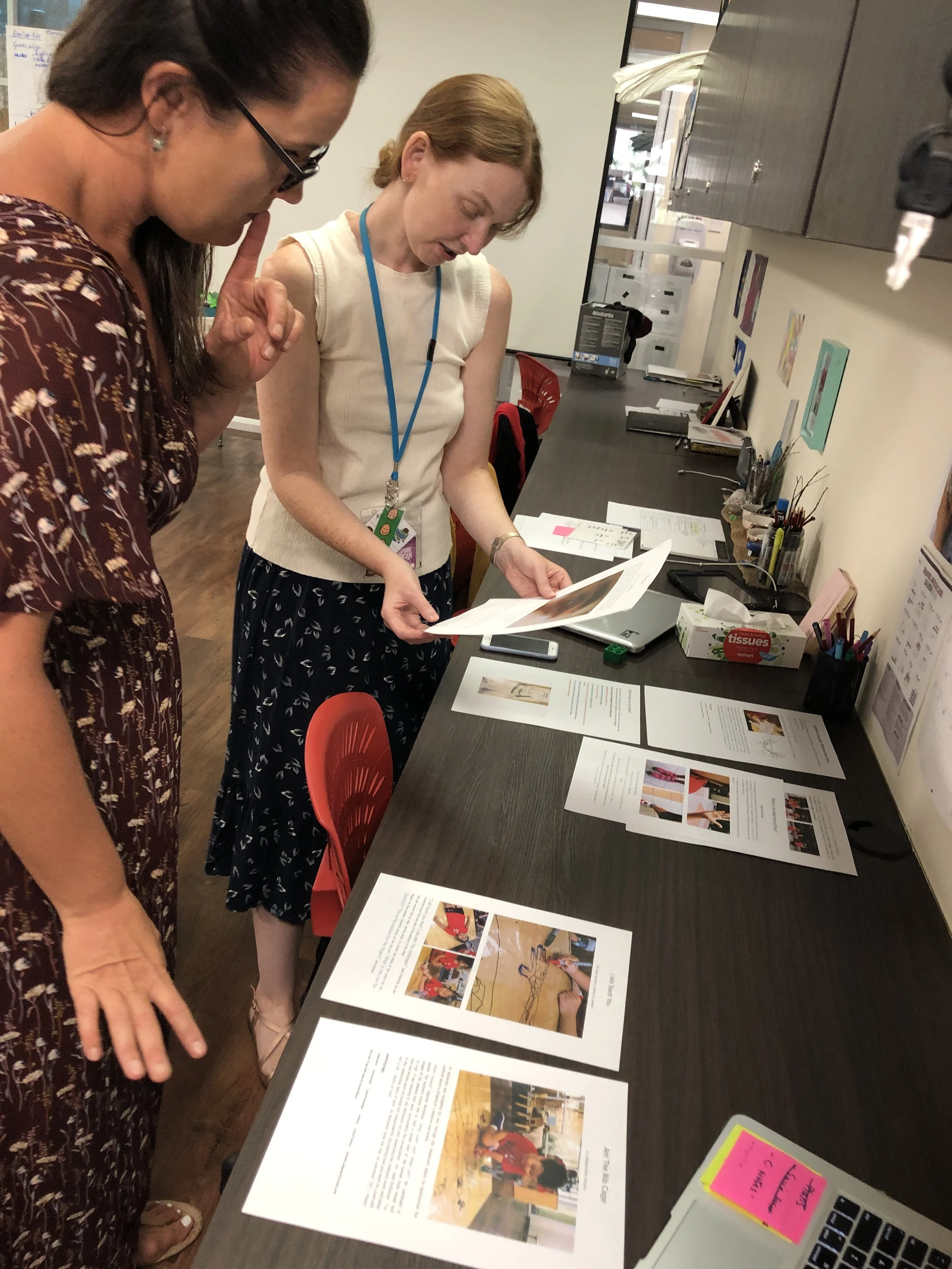
Responding to Children’s Ideas: Moving From Noticing to Co-construction
In a responsive approach to curriculum, learning design emerges directly from the careful study of children’s thinking. The process of working in this way moves away from constructing a pre-determined program and instead offers a generative act of research, rooted in collaboration and shaped through ongoing cycles of listening, documenting, interpreting, and reflecting.
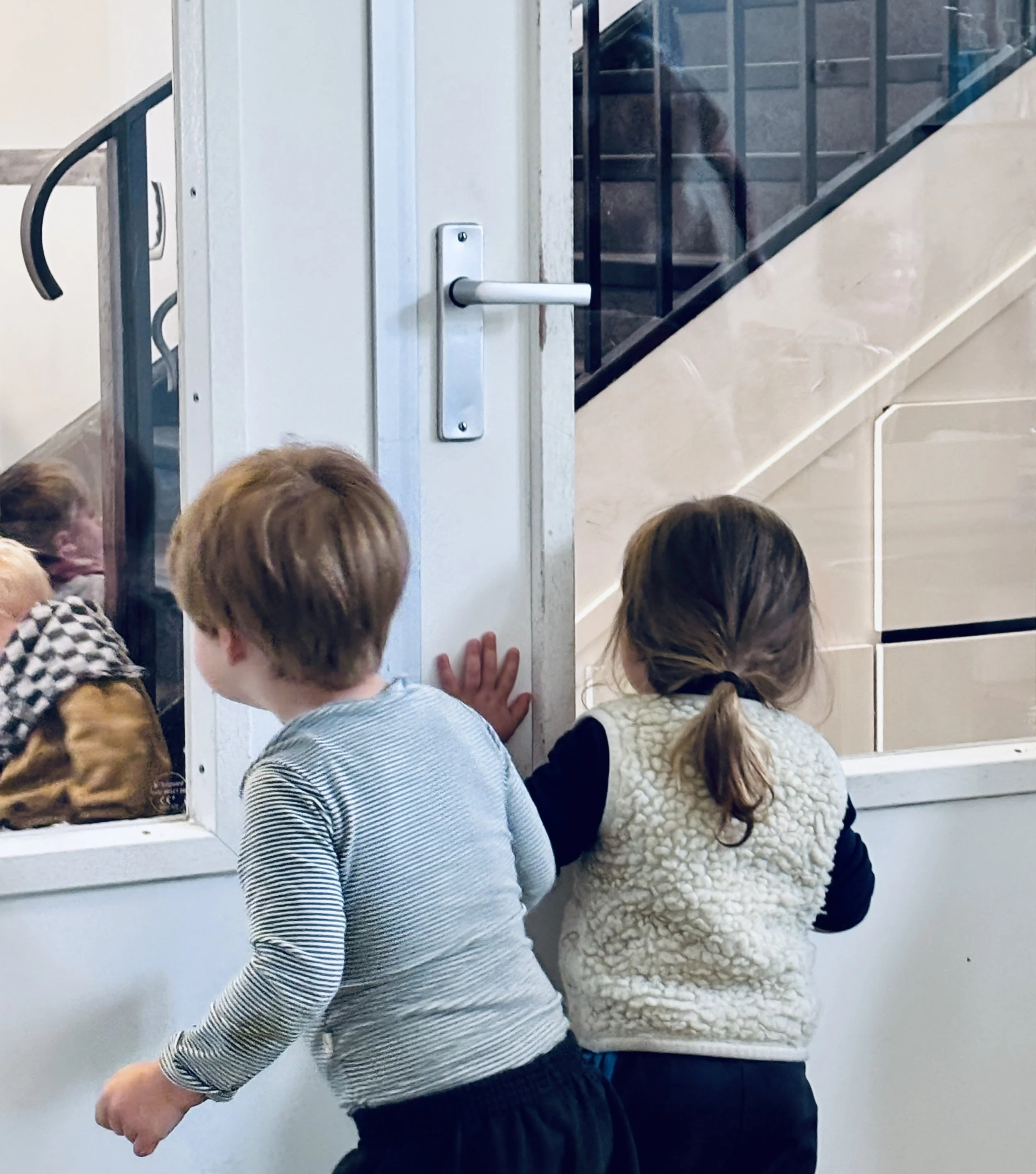
Listening Closely to Children’s Theories and Ideas
In many early childhood settings, curriculum begins long before children enter the room. Yet what if some of the most meaningful learning is already unfolding within children’s play? Beneath play and its invented narratives lives a rich landscape of theories, hypotheses, and deep intellectual work. This blog explores the importance of slowing down, listening closely, and noticing the ideas, questions, and understandings children reveal through play — and how these moments can become the foundation for responsive, meaningful curriculum.
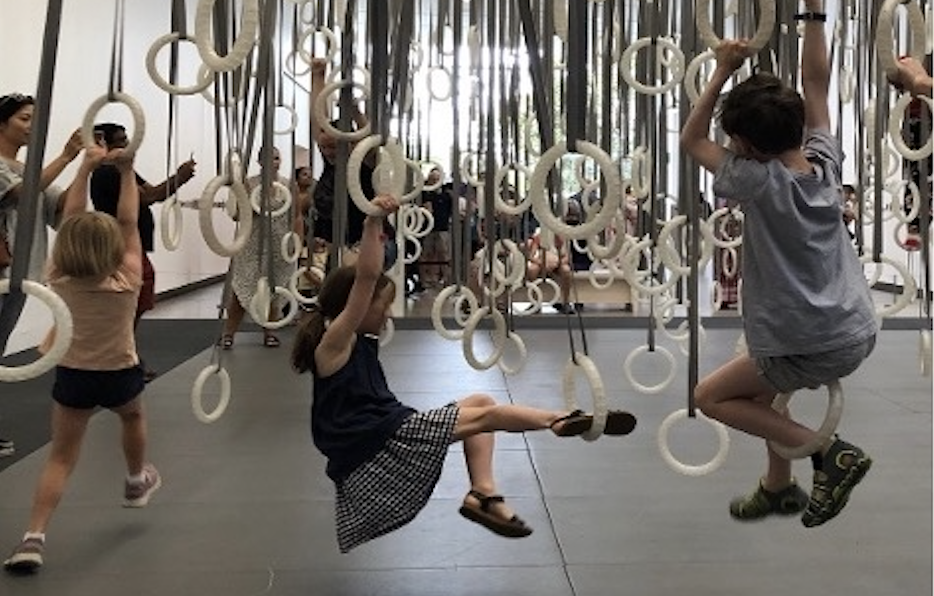
What Matters for Children: Rethinking What We Hold at the Centre
To honour children’s rights is to make a deliberate choice. It is a choice to recognize children as capable, powerful learners, deeply in relationship with others.

From Assembled Teams to Living Pedagogies
When teams are truly brought together, their collective capacity expands, opening up richer, more responsive learning experiences that could not emerge from individuals working in isolation.
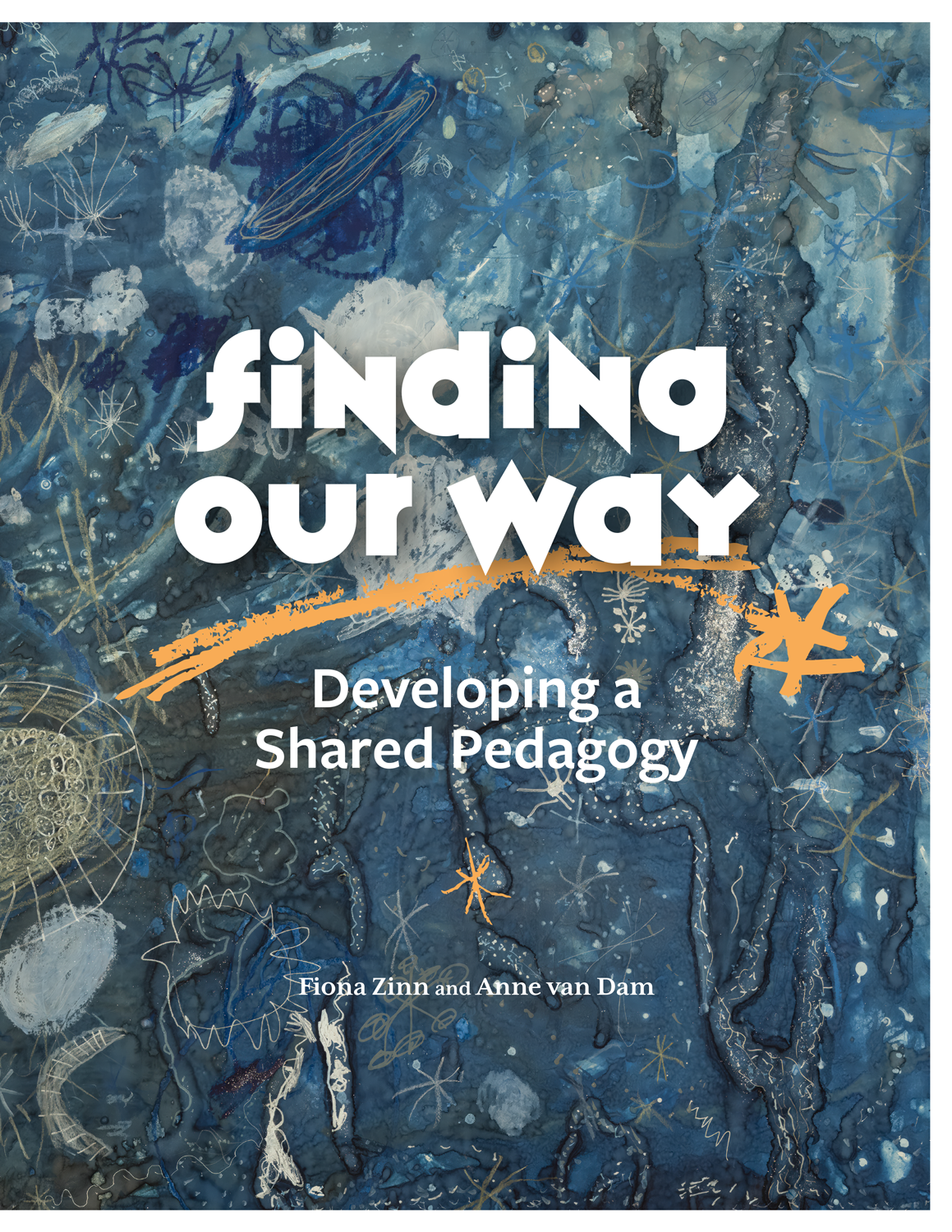
Finding Our Way: Developing a Shared Pedagogy
As we move into the final stages of editing and design, we are excited to share a few morsels from our book – some glimpses of the big ideas and enduring understandings that animate its pages.
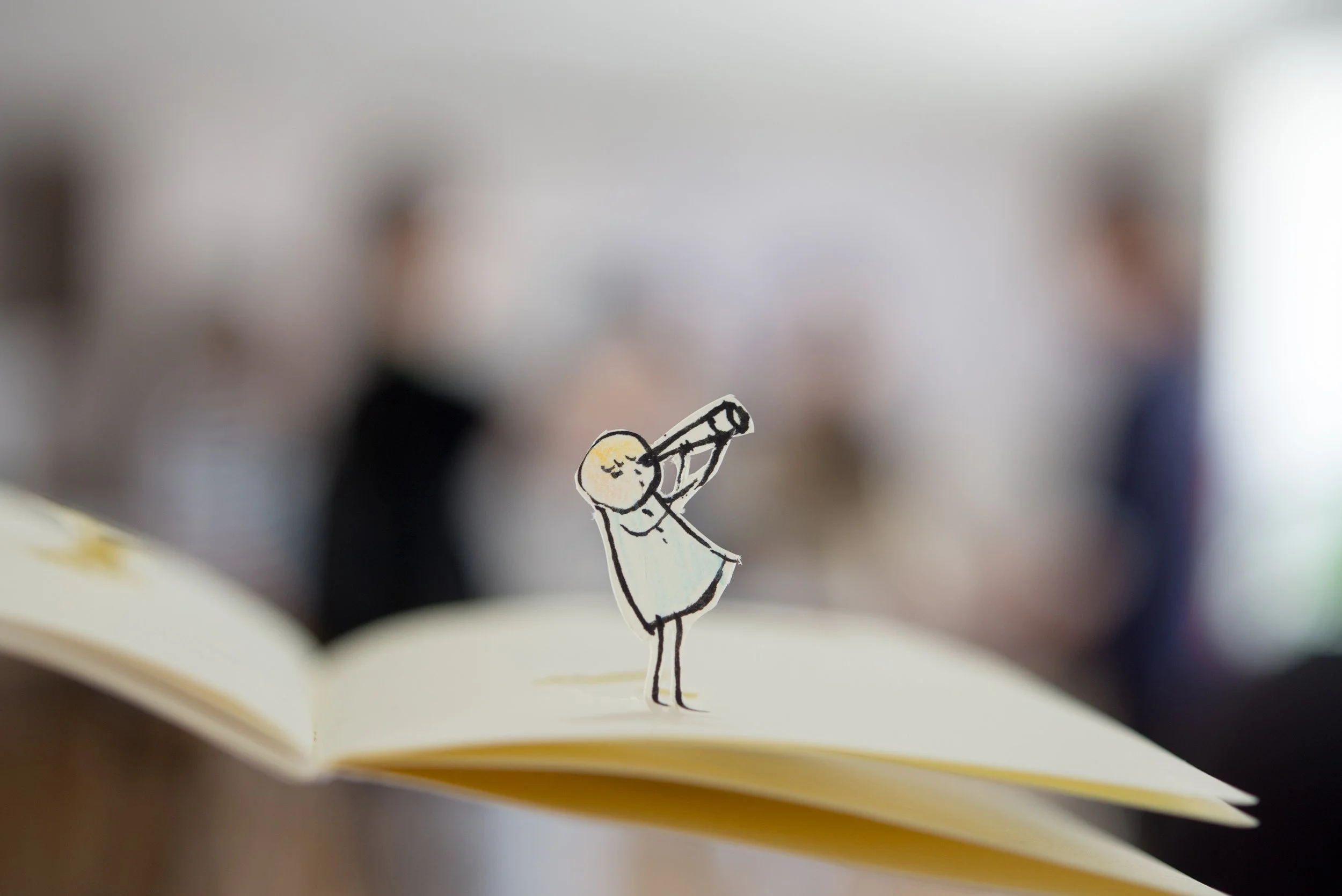

Leadership as Attunement
Sometimes, the true intention of a piece of work only reveals itself through the doing.

The Magic of Collaboration
One of the most invigorating experiences in the field of education is discovering the power of true collaboration.

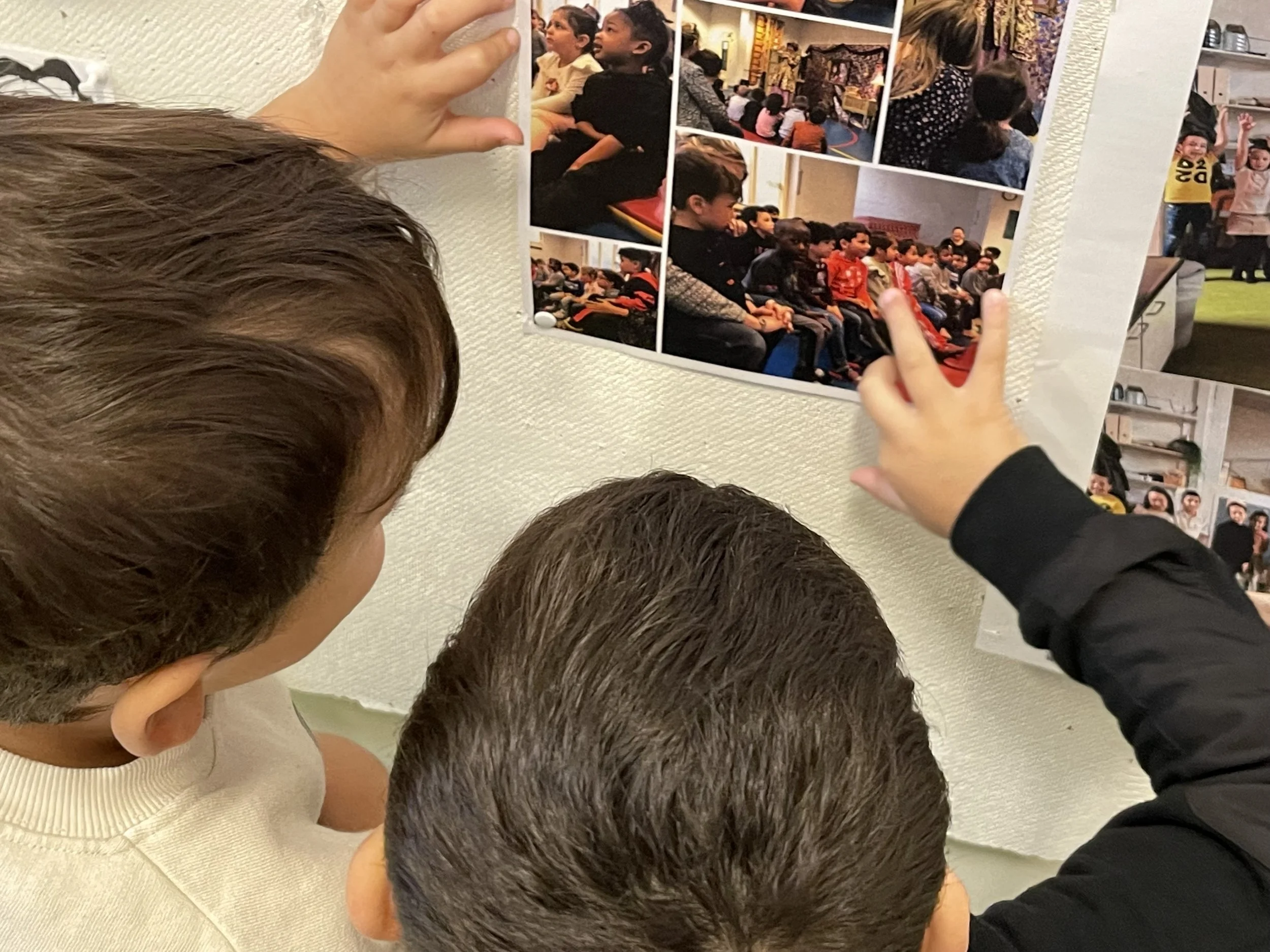
Finding Time: The Rhythm of our Routines
The topic of rhythms offers a generous and fertile space for our consideration
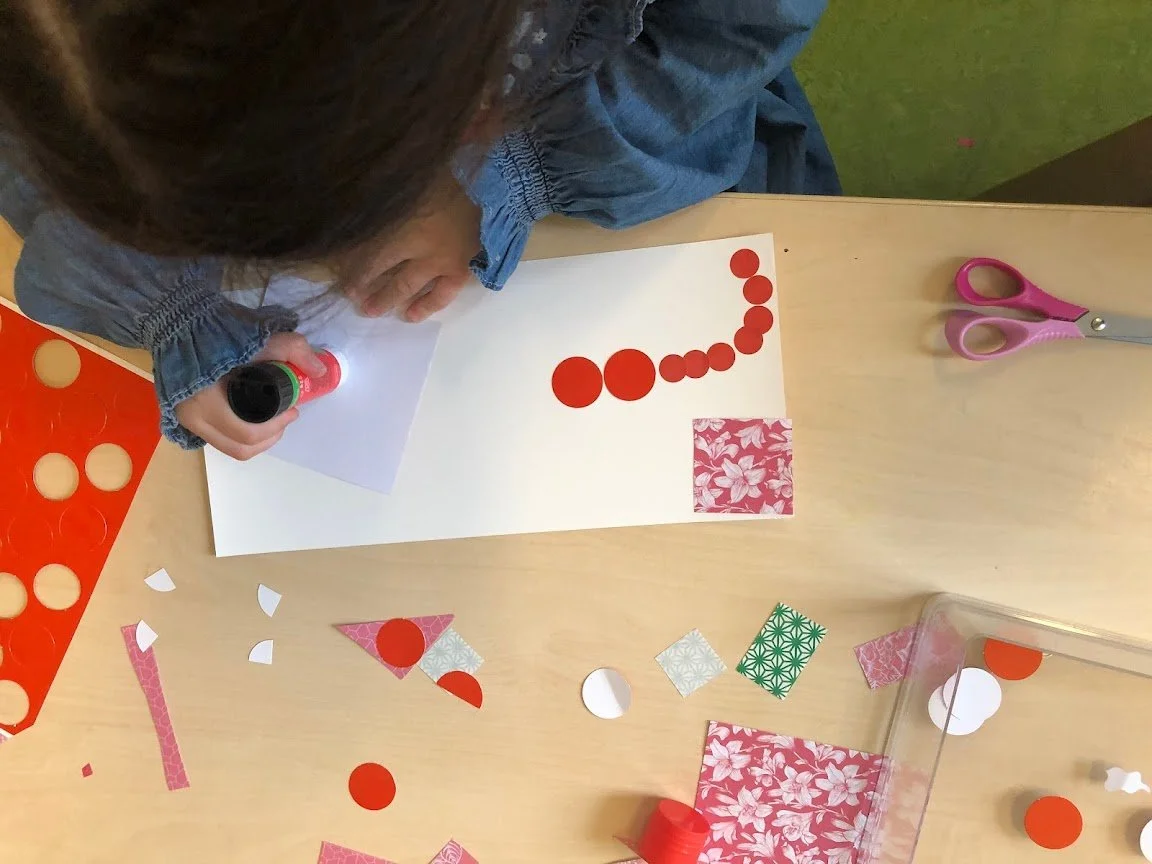
Finding Time To Pull Apart Ideas
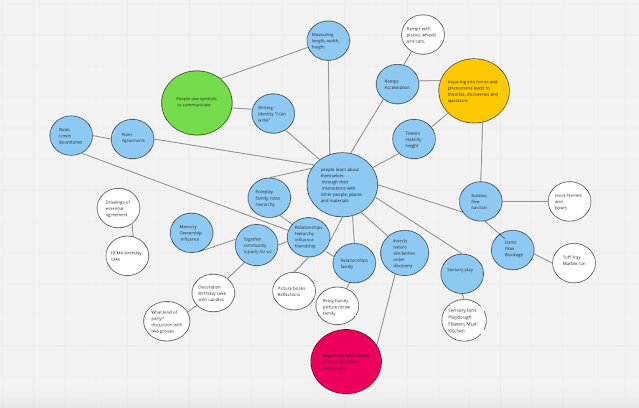
Collaborative planning at my school continues to be a precious time where we listen to each other’s perspectives.

Agency As A Place of Play And Investigation
Like yeast to dough, the ‘engine’ of play is engaged when supported by materials, participants and environments.
Pedagogical Documentation: Impossible Goalposts and Imaginary Enemies
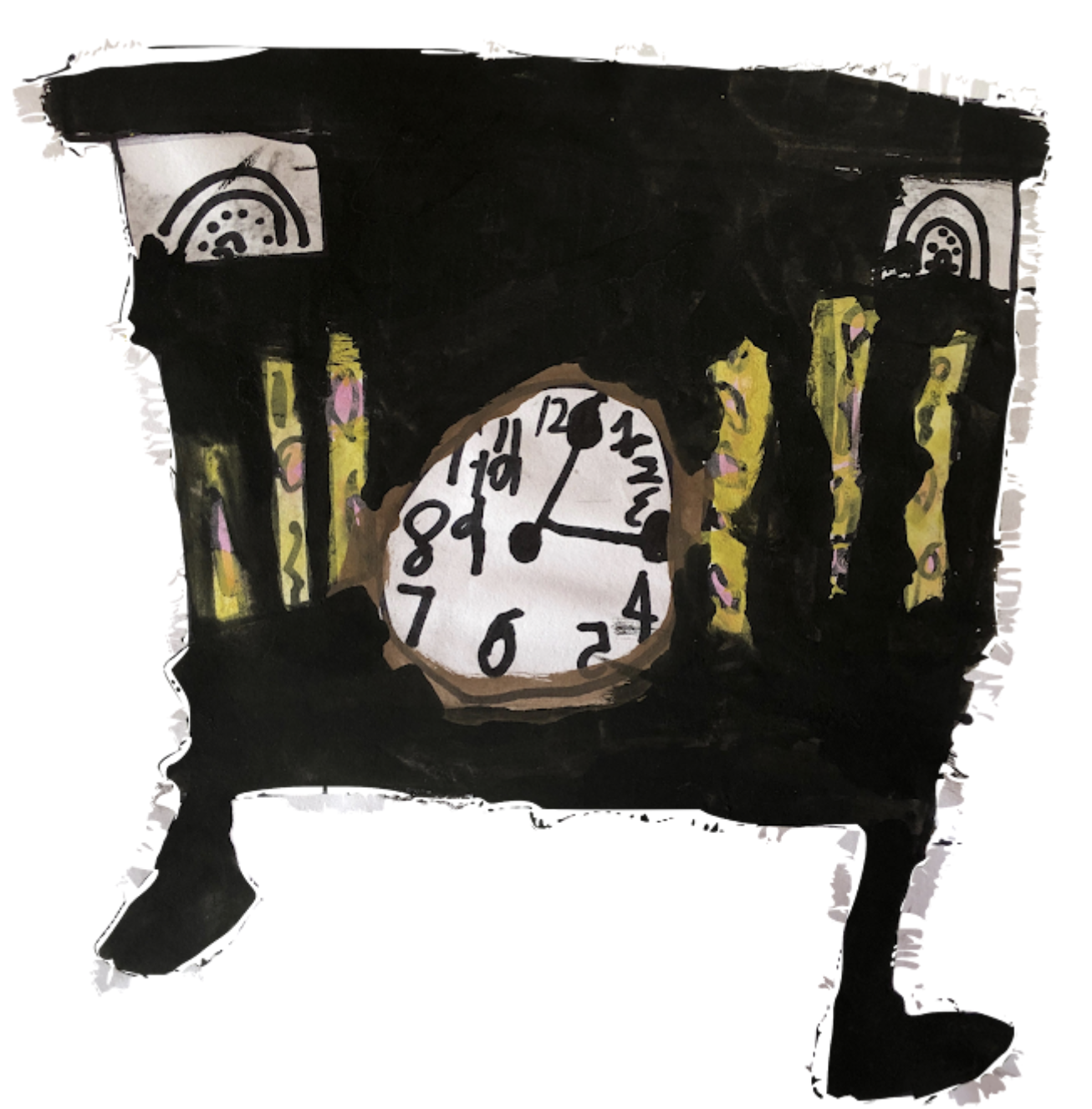
Amongst the gifts that documentation brings to our practice is the opportunity to re-conceptualize the way we see and use time.

Who Is The Keeper of The Pedagogy?
It is no secret that one of the ‘constants’ in education is change. Schools and Early Childhood Centres are not strangers to the complex world of change as educators construct and re-construct their approaches to education inside a constant state of flux. When embraced with agency and inquiry, change can be a necessary force for strengthening of pedagogy over time, yet for many teams, change is a challenge that can wobble our confidence and dilute our intentions.