
Over the past three decades we have both been fortunate to engage with teams of teachers in different places around the world, and this experience is something that we don't take for granted. Along the way, we have found that whilst many teachers have the same goals in mind, no two teams work in exactly the same way. Over time we have also noticed that there are certain hallmarks of practice that signal the depth and authenticity of a truly responsive and respectful way of working alongside children and community. One of these touchstones is the way they think about children.
Recognising children’s authenticity and uniqueness is easy to speak about, yet much harder to sustain at the centre of pedagogy. It requires time, intention, and a willingness to look inward—unpacking the layers that shape how we see and understand the world. Our own experiences, cultural identities, gender, and theoretical perspectives all influence the lens we bring to our work. Before we can truly see the children we work with, we must first come to understand the assumptions and understandings we carry with us.
For us, there is something deeply compelling about the way young children move through the world. Their energy, their curiosity, their persistent drive to understand their experience. Young children are not future learners, they are deeply engaged in meaning making from the moment they are born. They arrive full of vitality, forming ideas, testing theories, reaching out to others, and making sense of the worlds they inhabit.
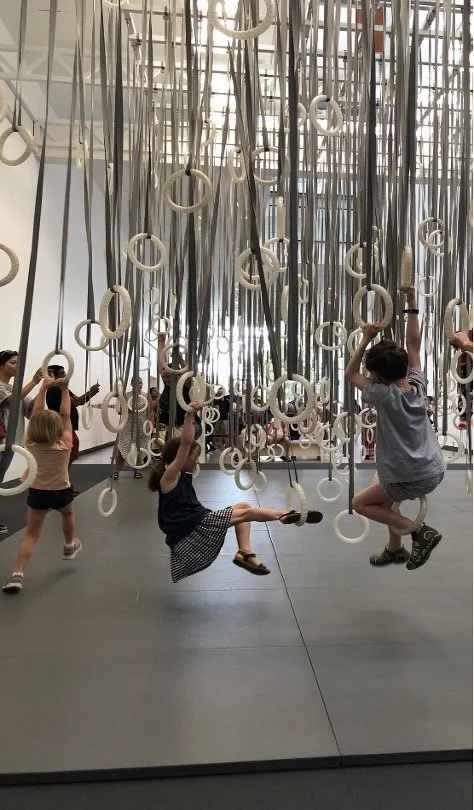
When teachers truly honour this vitality, something shifts. They begin to see learning as something that is constructed, through relationships, through play, through dialogue, and through children’s active participation in their communities. In these spaces connections deepen, diversity is lived and children’s rights are not spoken about in abstract terms, they are experienced, every day.
To honour children’s rights is to make a deliberate choice. It is a choice to recognize children as capable, powerful learners, deeply in relationship with others. It is a commitment to creating contexts that are equally compelling and interconnected. This begins with us. When teachers acknowledge children as bearers of rights, it transforms how they make decisions. It invites everyone to move away from doing for children, and toward thinking with them. This is not a small pedagogical shift, it is a deeply ethical one. Honouring children’s rights means recognising their essential right to be consulted in decisions that affect them and to participate, playfully and meaningfully, in their communities. This shapes a culture where children come to see themselves as contributors, to their own experiences and to the shared life of the community
Learning and development thrive within these respectful relationships. When children experience that they matter, when they feel seen, heard, and valued, they are more willing to take risks, to share ideas, to engage with others. Collaboration becomes possible and inquiry deepens. It is within these conditions that children develop ideas, skills and dispositions that matter deeply:
the ability to recognise and respect different points of view
the capacity to negotiate and navigate complexity
the resilience to stay with challenge
the inclination to care for themselves, for others, for the world
These skills and dispositions are foundational to what it means to live well together. In a world that is increasingly fast, uncertain, and divided, this work feels more important than ever. To honour children’s rights is to take a hopeful and deliberate stance. It is to believe that children are citizens of today, capable of shaping more just, inclusive, and compassionate communities as they learn and grow. The children who inhabit these spaces, where their voices matter, where their ideas are taken seriously, where they experience agency and belonging, will carry these ways of being further into the world. And perhaps, gently and collectively, make it better.
As you consider your own context, you might pause with these questions:
In what ways are children’s voices genuinely shaping the decisions, experiences, and rhythms of your community?
Where might you create more time and space for listening, dialogue, and shared problem-solving alongside children?
How do your daily practices reflect a new sense of identity for children and their learning - as capable, connected bearers of rights - and when might your approach to education underestimate them?
Fiona and Anne